
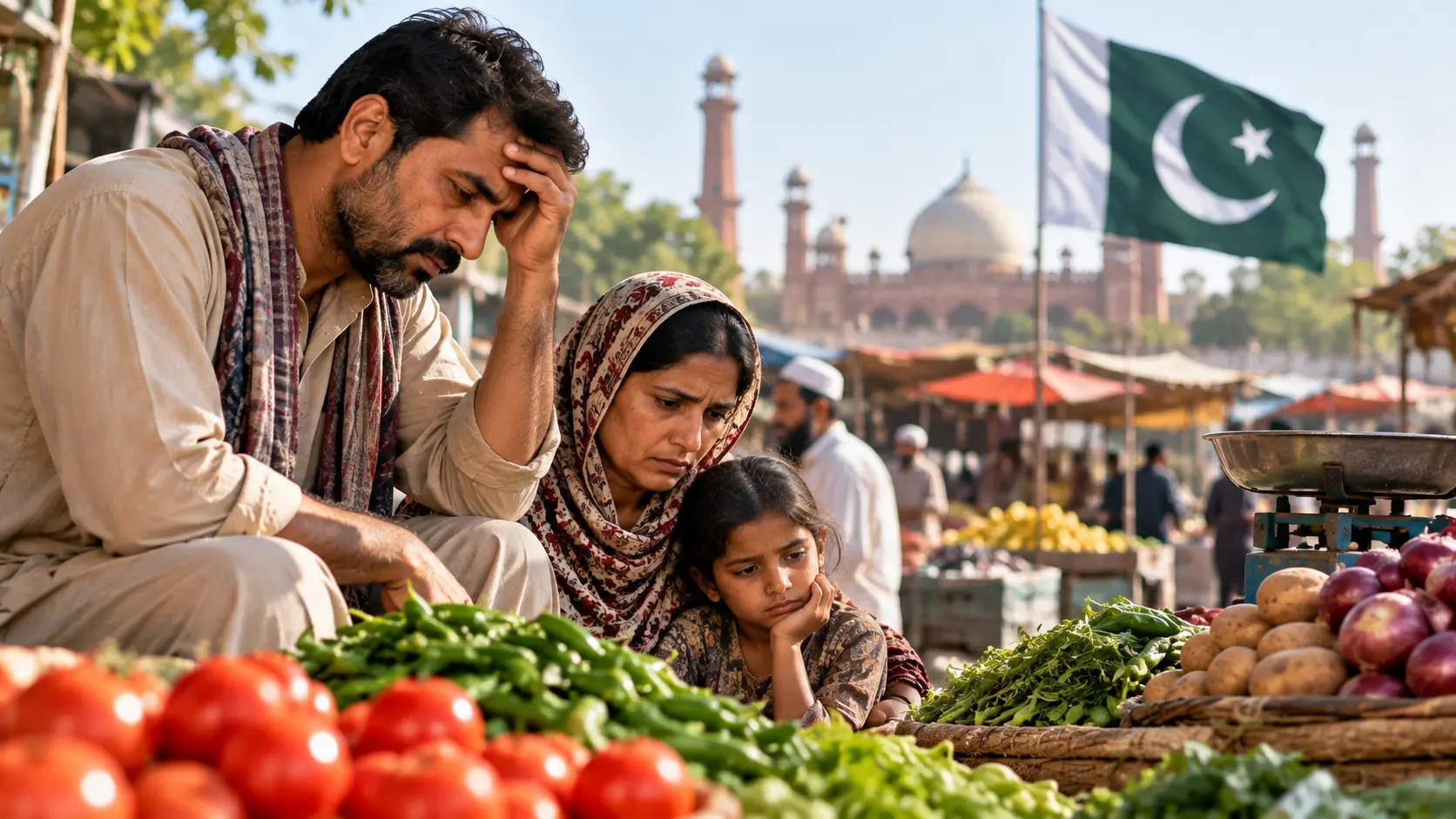
More than 60% of people in Pakistan cannot afford a healthy diet, according to a new assessment highlighted by the Food and Agriculture Organization (FAO) of the United Nations.
The warning points to a serious nutrition challenge in Pakistan, where many families may have access to enough calories but still struggle to buy the variety of nutritious foods needed for a balanced diet.
Pakistan Faces a Healthy Food Supply Gap
FAO’s assessment found a major difference between the food currently available in Pakistan and what people should eat under the country’s national dietary guidelines.
The biggest supply gaps were found in vegetables, fruits, roots and tubers, legumes and pulses. At the same time, staples and sugar are available in quantities above the levels considered suitable for a healthy diet.
This imbalance is contributing to different forms of malnutrition. Pakistan continues to face undernutrition and micronutrient deficiencies, while obesity and diet-related diseases are also becoming a growing concern.
UN data has previously estimated that around 16.5% of Pakistan’s population is undernourished, while obesity has risen to about 23%.
What Does FAO Recommend?
FAO says Pakistan needs changes across its food and agriculture system to make nutritious food easier to access and afford.
Recommended measures include increasing support for the production of fruits, vegetables and pulses, improving storage and cold-chain infrastructure, expanding nutritious school meals and strengthening social protection for vulnerable families.
The agency also recommends better food labelling, nutrition education and measures to reduce excessive consumption of foods high in sugar, salt and unhealthy fats.
The issue is part of a wider global challenge. FAO’s State of Food Security and Nutrition in the World 2026 estimates that around 2.7 billion people worldwide cannot afford a healthy diet.
For Pakistan, the latest findings suggest that improving food security is no longer only about producing enough food. Making nutritious food affordable for ordinary households is becoming equally important.
